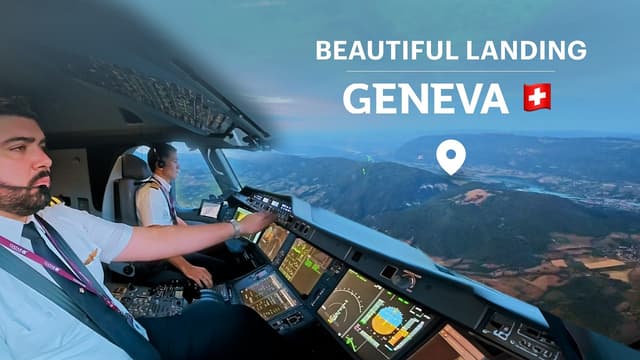
This video shows a complete Ajet A321neo flight from Bodrum to Istanbul Sabiha Gökçen. The flight crew explains the procedures during the flight.
What the video covers
Written in our own words. It only describes what the video shows and says.This video provides a cockpit view of a domestic flight from Bodrum Milas Airport to Istanbul Sabiha Gökçen Airport aboard an Ajet Airbus A321neo. The flight begins with the crew introducing the flight plan, which projects a flight time of 55 minutes and a cruising altitude of flight level 320. The pre-flight procedures are shown in detail, starting with the engine start sequence and the subsequent pushback from the gate. Following this, the pilots conduct a thorough flight control check, verifying the full range of motion for the ailerons, elevators, and rudder before commencing the taxi. While taxiing to the departure runway, they complete the taxi checklist, confirming flap settings and other critical items for a safe departure.
Flight Preparation and Departure
The departure sequence from Bodrum is captured with all the standard procedures and callouts. Once cleared for takeoff, the pilots apply takeoff thrust. The key speed callouts are audible, including '100 knots', 'V1', and 'rotate'. Immediately after lifting off, the crew calls 'positive climb' and retracts the landing gear. The autopilot is engaged shortly after takeoff to manage the climb. During the initial climb, the crew cleans up the aircraft by retracting the flaps in stages as the speed increases, transitioning smoothly into the cruise phase of the flight.
Cruise and Initial Descent
During the cruise portion of the short flight, one of the pilots provides an update. He confirms they are about 15 minutes into the flight and expect good weather conditions, specifically 'cavok', at Istanbul Sabiha Gökçen. The initial plan is to perform an approach to runway 06 right. The video then transitions to the descent phase. Air traffic control clears the flight to descend progressively, first to flight level 250, then to 210, and subsequently lower as they get closer to the terminal area. The crew diligently manages the descent profile, adjusting the aircraft's altitude and speed in accordance with ATC instructions while preparing for the approach.
Approach and Landing in Istanbul
The approach into Istanbul becomes particularly demanding due to a last-minute change from air traffic control. As the pilot explains in a post-flight summary, the planned ILS approach to runway 06 right was changed to an RNAV approach for runway 06 left. This required the crew to quickly adapt to the new procedure. ATC provides speed restrictions to maintain separation from other traffic, instructing them to reduce speed first to 180 knots and then to 160 knots. The crew configures the aircraft by extending flaps and completes the landing checklist. On final approach, the tower controller gives the clearance to land. The manual landing is executed smoothly, followed by the standard callouts for spoilers and reverse thrust. After vacating the runway, the aircraft taxis to stand 303, where the flight concludes.