VideosMILITARY
F-16 test flight: raw cockpit audio with Louis Skupien
Original title: Inside a Full USAF F-16 Test Flight | Raw Cockpit Audio
Louis Skupien · 54:06 · 6 Aug 2026 · Watch on YouTube

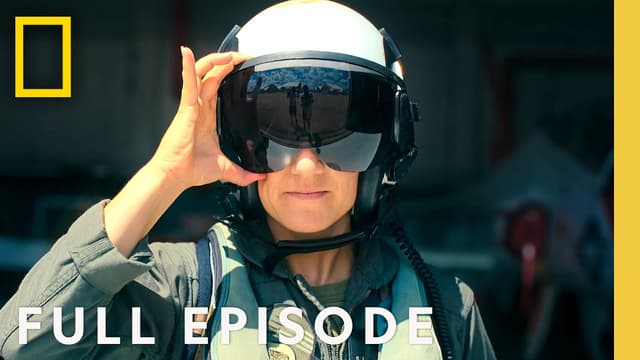
A military pilot and a passenger conduct a test flight in an F-16 fighter jet. They converse over the intercom about the manoeuvres and aircraft systems.

What the video covers

Written in our own words. It only describes what the video shows and says.

Departure and low altitude navigation

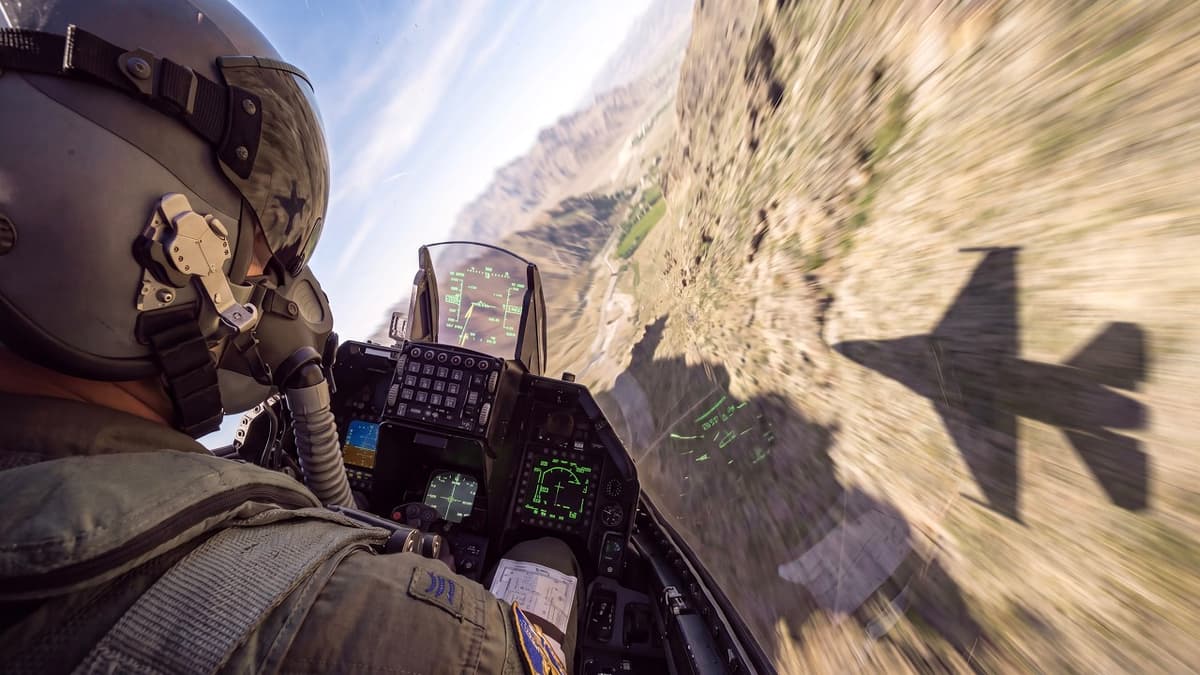
The flight begins with the pilot and passenger taking off in an F-16 fighter jet. After the landing gear is retracted, the pilot contacts air traffic control to report they are airborne and passing 11,000 feet on their way to Sidewinder. The aircraft climbs to 16,000 feet before the pilot points out Mojave Airport and a Honda test track on the ground. The pilot instructs the passenger on how to read the head up display, explaining that the velocity vector shows the aircraft trajectory while a diamond symbol indicates their active steer point. The crew then transitions to a low altitude frequency and descends towards the terrain. The pilot explains that the radar altimeter displays their height above the ground and that the system will guide them down to 200 feet. As they navigate through the valleys, the pilot mentions that the Automatic Ground Collision Avoidance System, or AGCAS, is active to ensure safety during low level flight.

High altitude climb and supersonic flight

Following the low level route, the pilot takes back control and initiates a climb to higher altitudes. They request clearance to utilise the Black Mountain airspace from 30,000 up to 50,000 feet. The pilot notes that the aircraft is in a low drag configuration without external fuel tanks or missiles, which allows them to reach altitudes normally reserved for commercial airliners. As the aircraft passes 40,000 feet, the pilot points out a warning on the head up display indicating that the AGCAS is disabled. This occurs because the aircraft does not have sufficient airspeed at that altitude to execute an automatic recovery, although the pilot notes this is not a concern when flying eight miles above the ground. The pilot then initiates an acceleration run to break the sound barrier. The airspeed increases rapidly as the aircraft goes supersonic, eventually reaching Mach 1.58 before the pilot reduces power and turns back towards the base.

Automatic collision avoidance and landing

The aircraft descends back below the cloud layer and the pilot demonstrates the functionality of the AGCAS. The pilot simulates a scenario where they become distracted while pointing the nose of the jet towards the ground. As the aircraft approaches the terrain, the system automatically takes control and pulls the jet up and away from the ground. The pilot performs a second demonstration to show how quickly the system reacts to prevent a collision. Following these demonstrations, the pilot executes a hard turn that subjects the crew to nine times the force of gravity. The pilot then contacts air traffic control to request a direct final approach and a tower flyby. After completing the flyby, the aircraft circles back and receives clearance to land on runway 23R. The pilot touches down, deploys the speed brakes, and instructs the passenger to secure their ejection seat before opening the canopy.
Statements in the video

1:06Skull 3-1 is airborne and passing 11,000 feet on the way to Sidewinder.The pilot reports their status and altitude to air traffic control shortly after takeoff.
2:05Skull 3-1 is at 16,000 feet and proceeding to Sidewinder.The pilot communicates their current altitude and destination to the approach controller.
48:25Skull 3-1 is clear to land on runway 23R with calm winds.The air traffic controller gives the pilot clearance to land the aircraft at the end of the flight.

Moments from the video

0:00“All right, you ready? Yep, very ready. Here we go, engine's coming up. Afterburner. Oh my god, it's a Crockett. Airspeed's alive. Go for tires. We're gonna rotate.”6:20“It's beautiful. No, it's a beautiful day. Wow. We got lucky. Oh yeah. Alright, you ready to get low? Oh yeah, let's go. There we go.”14:17“I can't believe we're coming from deserts. Desert rocks, there's snow. It gets real cold up here. Here we go.”21:02“It's so weird looking left and seeing desert, and looking right and seeing snow. That is so strange. And obviously you've seen it gets really cold here too, even in Edward. So it's a desert, but it's really cold. Absolutely. Hogg, want to say again? How many…”28:12“wow normally we cruise in like the 20s um we're in a very low drag config right now when we're carrying fuel tanks and missiles and stuff we just can't get up this high oh my god it's really a bad thing but so this is about as high as we've been normally…”35:38“We're just about now. We're back to subsonic now. Sweet. Wow. My god. So you can let us just kind of start to descend. Yep. Save a little bit of gas. And then we'll start looking for basically a hole in the clouds to get ourselves back. OK. Keep the descent…”42:37“Well, it'll be full. Yeah. I mean, it's one of those things your body gets used to it. Yeah. Um, pretty quickly. So... What would it be out you get, say? Uh, like, right about, pretty much exactly 9. Nice. Sometimes you won't get exactly to 9 Gs. It just kind…”49:56“Alright, so go ahead and reach down by your left leg there. Let's save our seats and move that lever up. Okay. Done. Sweet. Scallops, Scallop V1 is down for what? Oh, what an evening as well. Oh yeah. Yeah, that's just amazing. Scallops, welcome back.…”

More videos

All
Sign in
MILITARY

F-16 test flight: raw cockpit audio with Louis Skupien

Original title: Inside a Full USAF F-16 Test Flight | Raw Cockpit Audio
Louis Skupien · 54:06 · 6 Aug 2026 · Watch on YouTube

A military pilot and a passenger conduct a test flight in an F-16 fighter jet. They converse over the intercom about the manoeuvres and aircraft systems.

IN THIS VIDEO
  1. 0:00Takeoff and initial climb
  2. 5:18Low altitude route navigation
  3. 12:15Low level flight and terrain
  4. 33:20Supersonic acceleration
  5. 42:37High G manoeuvres
  6. 48:25Landing on the runway

What the video covers

Written in our own words. It only describes what the video shows and says.

Departure and low altitude navigation

The flight begins with the pilot and passenger taking off in an F-16 fighter jet. After the landing gear is retracted, the pilot contacts air traffic control to report they are airborne and passing 11,000 feet on their way to Sidewinder. The aircraft climbs to 16,000 feet before the pilot points out Mojave Airport and a Honda test track on the ground. The pilot instructs the passenger on how to read the head up display, explaining that the velocity vector shows the aircraft trajectory while a diamond symbol indicates their active steer point. The crew then transitions to a low altitude frequency and descends towards the terrain. The pilot explains that the radar altimeter displays their height above the ground and that the system will guide them down to 200 feet. As they navigate through the valleys, the pilot mentions that the Automatic Ground Collision Avoidance System, or AGCAS, is active to ensure safety during low level flight.

High altitude climb and supersonic flight

Following the low level route, the pilot takes back control and initiates a climb to higher altitudes. They request clearance to utilise the Black Mountain airspace from 30,000 up to 50,000 feet. The pilot notes that the aircraft is in a low drag configuration without external fuel tanks or missiles, which allows them to reach altitudes normally reserved for commercial airliners. As the aircraft passes 40,000 feet, the pilot points out a warning on the head up display indicating that the AGCAS is disabled. This occurs because the aircraft does not have sufficient airspeed at that altitude to execute an automatic recovery, although the pilot notes this is not a concern when flying eight miles above the ground. The pilot then initiates an acceleration run to break the sound barrier. The airspeed increases rapidly as the aircraft goes supersonic, eventually reaching Mach 1.58 before the pilot reduces power and turns back towards the base.

Automatic collision avoidance and landing

The aircraft descends back below the cloud layer and the pilot demonstrates the functionality of the AGCAS. The pilot simulates a scenario where they become distracted while pointing the nose of the jet towards the ground. As the aircraft approaches the terrain, the system automatically takes control and pulls the jet up and away from the ground. The pilot performs a second demonstration to show how quickly the system reacts to prevent a collision. Following these demonstrations, the pilot executes a hard turn that subjects the crew to nine times the force of gravity. The pilot then contacts air traffic control to request a direct final approach and a tower flyby. After completing the flyby, the aircraft circles back and receives clearance to land on runway 23R. The pilot touches down, deploys the speed brakes, and instructs the passenger to secure their ejection seat before opening the canopy.
Statements in the video

1:06Skull 3-1 is airborne and passing 11,000 feet on the way to Sidewinder.The pilot reports their status and altitude to air traffic control shortly after takeoff.
2:05Skull 3-1 is at 16,000 feet and proceeding to Sidewinder.The pilot communicates their current altitude and destination to the approach controller.
48:25Skull 3-1 is clear to land on runway 23R with calm winds.The air traffic controller gives the pilot clearance to land the aircraft at the end of the flight.

Moments from the video

0:00“All right, you ready? Yep, very ready. Here we go, engine's coming up. Afterburner. Oh my god, it's a Crockett. Airspeed's alive. Go for tires. We're gonna rotate.”6:20“It's beautiful. No, it's a beautiful day. Wow. We got lucky. Oh yeah. Alright, you ready to get low? Oh yeah, let's go. There we go.”14:17“I can't believe we're coming from deserts. Desert rocks, there's snow. It gets real cold up here. Here we go.”21:02“It's so weird looking left and seeing desert, and looking right and seeing snow. That is so strange. And obviously you've seen it gets really cold here too, even in Edward. So it's a desert, but it's really cold. Absolutely. Hogg, want to say again? How many…”28:12“wow normally we cruise in like the 20s um we're in a very low drag config right now when we're carrying fuel tanks and missiles and stuff we just can't get up this high oh my god it's really a bad thing but so this is about as high as we've been normally…”35:38“We're just about now. We're back to subsonic now. Sweet. Wow. My god. So you can let us just kind of start to descend. Yep. Save a little bit of gas. And then we'll start looking for basically a hole in the clouds to get ourselves back. OK. Keep the descent…”42:37“Well, it'll be full. Yeah. I mean, it's one of those things your body gets used to it. Yeah. Um, pretty quickly. So... What would it be out you get, say? Uh, like, right about, pretty much exactly 9. Nice. Sometimes you won't get exactly to 9 Gs. It just kind…”49:56“Alright, so go ahead and reach down by your left leg there. Let's save our seats and move that lever up. Okay. Done. Sweet. Scallops, Scallop V1 is down for what? Oh, what an evening as well. Oh yeah. Yeah, that's just amazing. Scallops, welcome back.…”
Practise for your exams and airline selectionStart for free

More videos

F-16 test flight: raw cockpit audio with Louis Skupien | PilotinQ