VideosSAFETY
US: Captain Steeeve on the Avianca 042 severe turbulence
Original title: Avianca Flight 042 Hit by Severe Turbulence | Captain Steeeve Reacts
Captain Steeeve · 22:28 · 3 Nov 2026 · Watch on YouTube

Captain Steeeve listens to the ATC audio of Avianca 042 after severe turbulence forced a diversion to Miami and explains the turbulence categories.

What the video covers

Written in our own words. It only describes what the video shows and says.

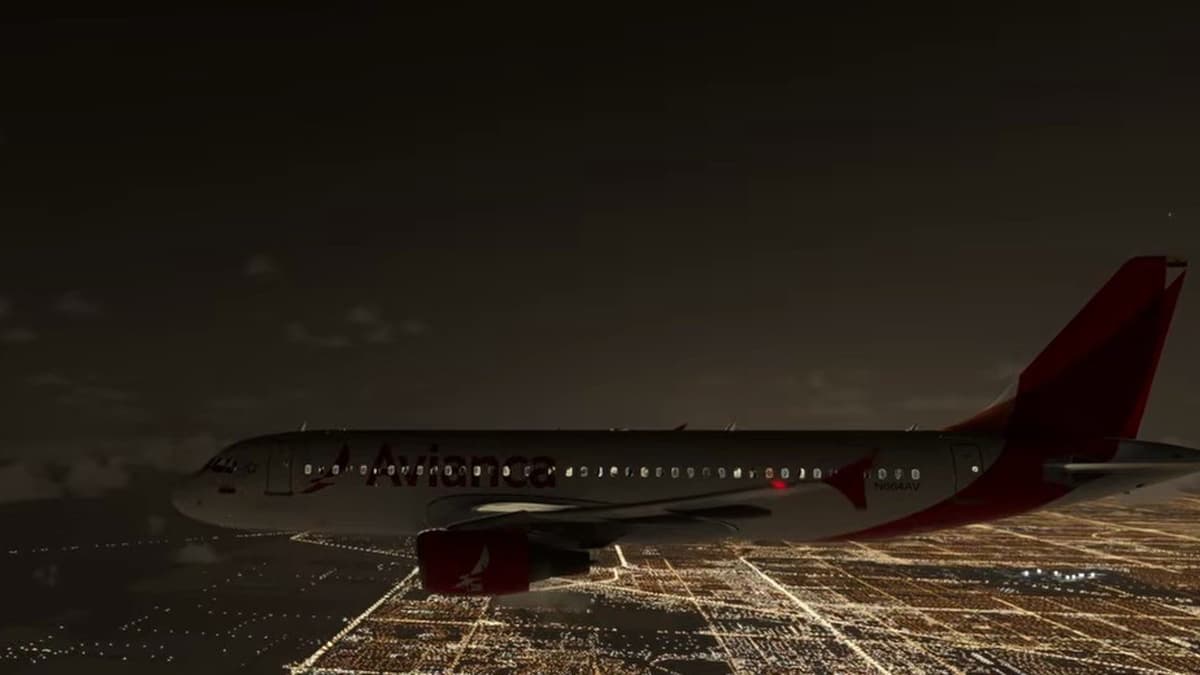
Avianca flight 042 was on its way from Medellín in Colombia to New York JFK when it ran into severe turbulence and diverted to Miami. In this video Captain Steeeve listens to the radio calls between the crew of Airbus A320 N207FR and air traffic control in Miami. The crew first asks for about 20 minutes of holding. That surprises him with injured people on board, although he thinks the crew may have needed time to clean up the cabin.

If carts are in the aisle or a galley is open when severe turbulence hits, the cabin can be a mess. Captain Steeeve shows a photo from his own airline career, when his aircraft spent about eight seconds in severe turbulence. Everyone had been told to sit down and the galley had been secured, yet the aft galley was still wrecked. His advice to passengers is to keep the seat belt fastened even when the sign is off and to sit down straight away when the crew asks.

Injuries but no emergency declared

The crew reports that at least 15 to 20 people are affected. Miami Center coordinates with the tower so that medical staff are ready. What puzzles Captain Steeeve is that the crew does not declare an emergency. With a mayday call, he explains, airport rescue and firefighting crews follow the aircraft to the gate. The flight also gets priority and expedited taxiing. Without it, the controller has to ask follow-up questions, for example whether trucks are needed. The crew replies that no equipment is needed and asks to hold at 3,000 feet. The approach controller then asks for souls on board and fuel remaining, which in his view shows that ATC is treating the flight as an emergency. The crew reports 121 souls on board and states that they are not declaring an emergency. He also notes that the fuel figure he hears does not seem to fit a flight planned to JFK, though the crew may have misspoken.

The categories of turbulence

Using the FAA Aeronautical Information Manual, Captain Steeeve then explains the categories. Light turbulence brings slight, erratic changes in altitude or attitude. Objects in the cabin may shift a little. Light chop is slight, rapid and somewhat rhythmic bumpiness, like driving on an old gravel road. In moderate turbulence the changes are bigger, unsecured objects come loose and walking becomes difficult. Moderate chop means rapid bumps and jolts without changes in altitude or attitude. Severe turbulence brings large, abrupt changes and the aircraft may be momentarily uncontrollable. Extreme turbulence is the fourth category. During his own encounter four passengers who refused to fasten their seat belts were injured, as were three flight attendants who sat down without buckling up.

Approach and landing in Miami

After a series of vectors the crew reports ready for the approach and lands on runway 9 with a slight crosswind. The aircraft rolls all the way to the end of the runway. Captain Steeeve concludes that ground control is probably helping the crew reach the gate without having to cross an active runway. The last call from the crew is a thank you. He closes with his main advice: pilots work hard to avoid severe turbulence but cannot always do so, so keep your seat belt fastened.
Statements in the video

7:35A clear mayday call gets an aircraft priority handling and fire crews that follow it to the gate.Captain Steeeve says this while explaining why he would declare an emergency with injured people on board.
16:56In his own severe turbulence encounter, four passengers and three flight attendants were injured.According to Captain Steeeve, the passengers had refused to fasten their seat belts and the flight attendants had not buckled up.
17:34In severe turbulence the aircraft may be momentarily uncontrollable.Captain Steeeve quotes this from the FAA definition of severe turbulence.

Moments from the video

0:29“Okay, what we're picking up on is after the severe turbulence. They were at 36,000 feet in route from Colombia all the way up to JFK. They hit a pocket, we don't know how long, of severe turbulence. There's four categories of turbulence. I'll explain all…”1:26“they might have to clean up the back of the airplane and so many times if this is unexpected and carts were out in the aisle and the galley was opened up it's an absolute mess all right i'll show you a picture or two here at the end of an incident i had…”4:13“Okay, he says at least 15 to 20 persons are involved in this so far. I'm going to back it up just a little bit because I want you to hear what...”6:44“Okay, why is he asking that question? Because he hasn't declared an emergency. So now, if they had declared a Mayday emergency, the trucks, the ARFF, the airport rescue and firefighting crew, would be automatically dispatched to follow this airplane down…”7:35“There's a couple of reasons why you want to declare a clear mayday emergency so that the fire crews reach you, so you get expedited handling into the airport. They make you number one to the airport. They put you in front of everybody else. They'll clear…”12:48“and said, no, we're not declaring an emergency set. He's kind of trying to sort through all of that. He's like, OK, well, just let us know when you're kind of ready to go in. We're standing by for you. Let's talk about the four categories of turbulence.…”16:56“with the galley and all the stuff in the back of it on the floor. There were injuries in that. We had told everybody to sit down. There were four passengers that were injured and three flight attendants. Why? Four passengers simply refused to put their…”17:34“No excuse for that. Severe turbulence, large, abrupt changes of altitude and attitude. So the airplane may be momentarily uncontrollable. That's kind of the definition of severe. If it's momentarily uncontrollable, like all of a sudden you're driving down…”

More videos

All
Sign in
SAFETY

US: Captain Steeeve on the Avianca 042 severe turbulence

Original title: Avianca Flight 042 Hit by Severe Turbulence | Captain Steeeve Reacts
Captain Steeeve · 22:28 · 3 Nov 2026 · Watch on YouTube

Captain Steeeve listens to the ATC audio of Avianca 042 after severe turbulence forced a diversion to Miami and explains the turbulence categories.

IN THIS VIDEO
  1. 0:29Avianca 042 diverts to Miami
  2. 1:26A galley after severe turbulence
  3. 4:1315 to 20 people affected on board
  4. 6:44Why a mayday call matters
  5. 12:48The categories of turbulence
  6. 20:04Rollout on runway 9 in Miami

What the video covers

Written in our own words. It only describes what the video shows and says.

Avianca flight 042 was on its way from Medellín in Colombia to New York JFK when it ran into severe turbulence and diverted to Miami. In this video Captain Steeeve listens to the radio calls between the crew of Airbus A320 N207FR and air traffic control in Miami. The crew first asks for about 20 minutes of holding. That surprises him with injured people on board, although he thinks the crew may have needed time to clean up the cabin.

If carts are in the aisle or a galley is open when severe turbulence hits, the cabin can be a mess. Captain Steeeve shows a photo from his own airline career, when his aircraft spent about eight seconds in severe turbulence. Everyone had been told to sit down and the galley had been secured, yet the aft galley was still wrecked. His advice to passengers is to keep the seat belt fastened even when the sign is off and to sit down straight away when the crew asks.

Injuries but no emergency declared

The crew reports that at least 15 to 20 people are affected. Miami Center coordinates with the tower so that medical staff are ready. What puzzles Captain Steeeve is that the crew does not declare an emergency. With a mayday call, he explains, airport rescue and firefighting crews follow the aircraft to the gate. The flight also gets priority and expedited taxiing. Without it, the controller has to ask follow-up questions, for example whether trucks are needed. The crew replies that no equipment is needed and asks to hold at 3,000 feet. The approach controller then asks for souls on board and fuel remaining, which in his view shows that ATC is treating the flight as an emergency. The crew reports 121 souls on board and states that they are not declaring an emergency. He also notes that the fuel figure he hears does not seem to fit a flight planned to JFK, though the crew may have misspoken.

The categories of turbulence

Using the FAA Aeronautical Information Manual, Captain Steeeve then explains the categories. Light turbulence brings slight, erratic changes in altitude or attitude. Objects in the cabin may shift a little. Light chop is slight, rapid and somewhat rhythmic bumpiness, like driving on an old gravel road. In moderate turbulence the changes are bigger, unsecured objects come loose and walking becomes difficult. Moderate chop means rapid bumps and jolts without changes in altitude or attitude. Severe turbulence brings large, abrupt changes and the aircraft may be momentarily uncontrollable. Extreme turbulence is the fourth category. During his own encounter four passengers who refused to fasten their seat belts were injured, as were three flight attendants who sat down without buckling up.

Approach and landing in Miami

After a series of vectors the crew reports ready for the approach and lands on runway 9 with a slight crosswind. The aircraft rolls all the way to the end of the runway. Captain Steeeve concludes that ground control is probably helping the crew reach the gate without having to cross an active runway. The last call from the crew is a thank you. He closes with his main advice: pilots work hard to avoid severe turbulence but cannot always do so, so keep your seat belt fastened.
Statements in the video

7:35A clear mayday call gets an aircraft priority handling and fire crews that follow it to the gate.Captain Steeeve says this while explaining why he would declare an emergency with injured people on board.
16:56In his own severe turbulence encounter, four passengers and three flight attendants were injured.According to Captain Steeeve, the passengers had refused to fasten their seat belts and the flight attendants had not buckled up.
17:34In severe turbulence the aircraft may be momentarily uncontrollable.Captain Steeeve quotes this from the FAA definition of severe turbulence.

Moments from the video

0:29“Okay, what we're picking up on is after the severe turbulence. They were at 36,000 feet in route from Colombia all the way up to JFK. They hit a pocket, we don't know how long, of severe turbulence. There's four categories of turbulence. I'll explain all…”1:26“they might have to clean up the back of the airplane and so many times if this is unexpected and carts were out in the aisle and the galley was opened up it's an absolute mess all right i'll show you a picture or two here at the end of an incident i had…”4:13“Okay, he says at least 15 to 20 persons are involved in this so far. I'm going to back it up just a little bit because I want you to hear what...”6:44“Okay, why is he asking that question? Because he hasn't declared an emergency. So now, if they had declared a Mayday emergency, the trucks, the ARFF, the airport rescue and firefighting crew, would be automatically dispatched to follow this airplane down…”7:35“There's a couple of reasons why you want to declare a clear mayday emergency so that the fire crews reach you, so you get expedited handling into the airport. They make you number one to the airport. They put you in front of everybody else. They'll clear…”12:48“and said, no, we're not declaring an emergency set. He's kind of trying to sort through all of that. He's like, OK, well, just let us know when you're kind of ready to go in. We're standing by for you. Let's talk about the four categories of turbulence.…”16:56“with the galley and all the stuff in the back of it on the floor. There were injuries in that. We had told everybody to sit down. There were four passengers that were injured and three flight attendants. Why? Four passengers simply refused to put their…”17:34“No excuse for that. Severe turbulence, large, abrupt changes of altitude and attitude. So the airplane may be momentarily uncontrollable. That's kind of the definition of severe. If it's momentarily uncontrollable, like all of a sudden you're driving down…”
READ MORE ON PILOTINQ
Is clear-air turbulence getting worse? What the research means for pilots
Practise for your exams and airline selectionStart for free

More videos