A two-seat Sunward Aurora flew into CITIC Tower in Beijing's business district on 26 June. The pilot was killed and 13 people on the ground were injured. China then halted flight training, grounded two operators and drew a permanent 600-kilometre restricted area around the capital.


- A Sunward Aurora SA60L (B-12PP) struck CITIC Tower in Beijing on 26 June 2026; the pilot was killed and 13 people on the ground were injured.16
- According to the authorities, the pilot left his designated area during a solo flight from Pinggu; they cite personal reasons as the cause.67
- China then suspended private light-aircraft flights and flight training; on 20 July two operators on the outskirts of Beijing were ordered to stop operating.28
- Since 20 September, a permanent 600-kilometre-wide restricted area, ZB(SR)801, has surrounded Beijing.39
A light sport aircraft flew into CITIC Tower, the tallest building in Beijing, on the evening of Friday 26 June 2026. The pilot, the only person on board, was killed, and 13 people who were not on the aircraft were injured1. Crashes of this kind are rare in the Chinese capital, where airspace is tightly restricted1. The fallout reached far beyond Beijing: within days, light aircraft and flight schools across China were grounded, and since 20 September a permanent restricted area roughly the size of Italy has surrounded the city23.
What happened on 26 June
According to the Chaoyang district government, a single-engine, two-seat light sport aircraft struck a high-rise building near the East Third Ring Road at about 17:55 local time1. The building was CITIC Tower, also known as China Zun, in Beijing's central business district1. It is 528 metres tall and has 108 storeys43.
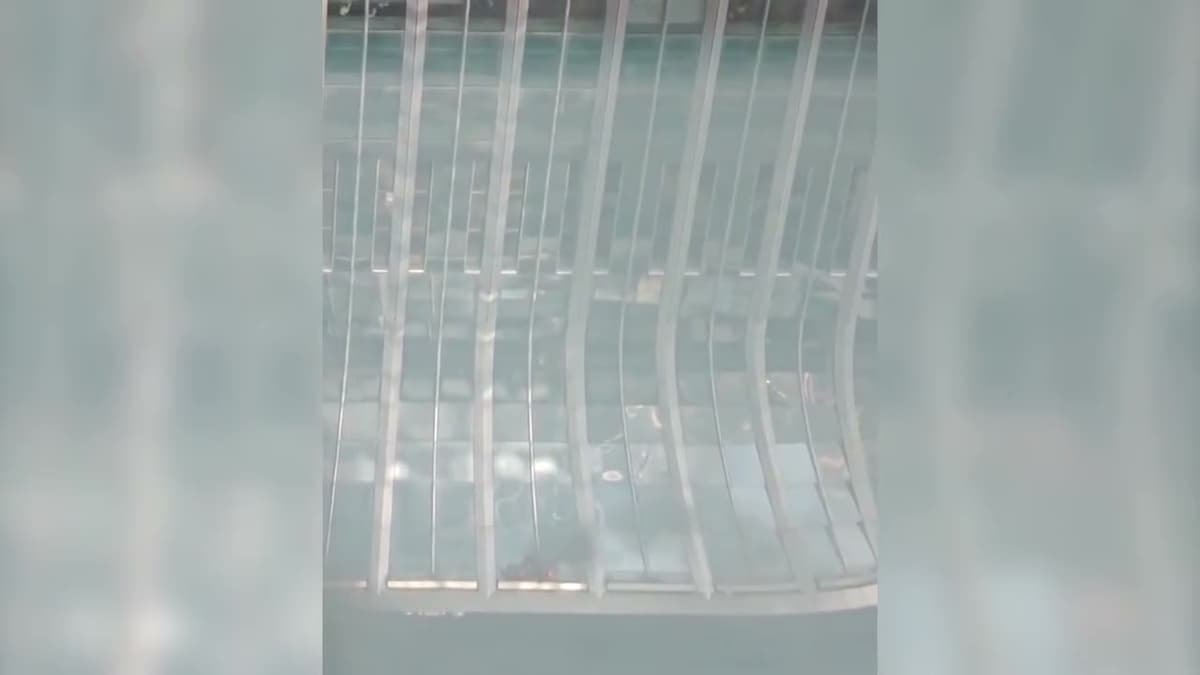
Damage to the tower was limited: two large glass panels were destroyed, and the hole had been temporarily covered by the following day14. Eyewitness footage published by Reuters shows debris falling along the facade5. It was the first reported aircraft crash in Beijing since 2022, when a sightseeing helicopter came down and both pilots were killed4. On 2 July the authorities said all 13 injured people were out of danger and one had already left hospital6.
The aircraft and the flight
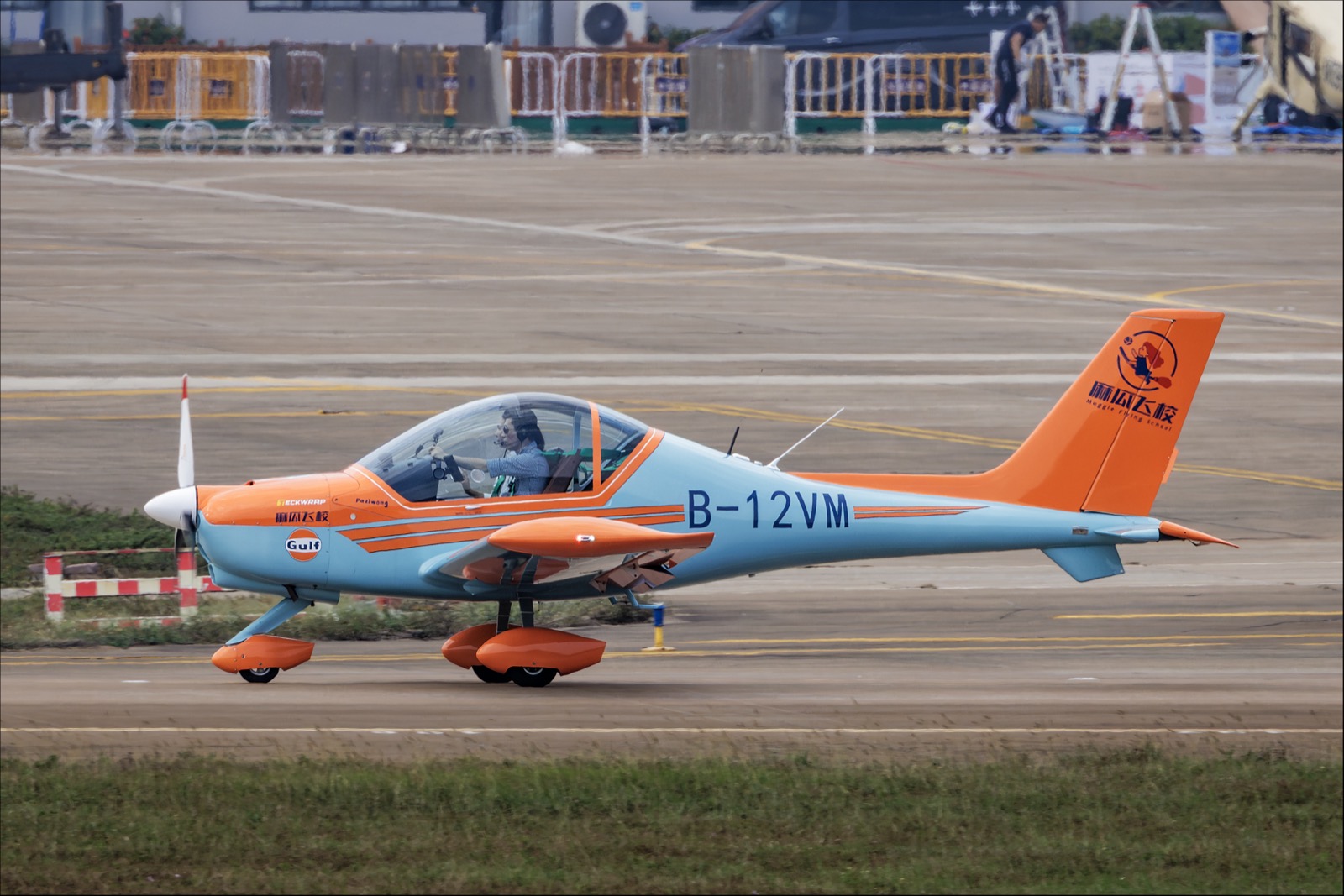
The aircraft was a Sunward Aurora SA60L, a single-engine, two-seat propeller aircraft, registered B-12PP6. The registration was confirmed by the authorities for the first time on 2 July7. The Aurora is a light sport aircraft built by the Chinese manufacturer Sunward4.
Flight tracking data reviewed by Reuters showed the aircraft in the air over Beijing's north-eastern suburbs at around 17:30. It flew a wide circle and then headed towards the city centre, about 50 kilometres away. Tracking stopped at 17:55, with the last position over the downtown Chaoyang district14. The official findings say the pilot took off from a general aviation airfield in Pinggu district, about 50 kilometres from downtown Beijing68. He first made an accompanied flight and then flew solo. During the solo part he left his designated flying area and lost contact with the airfield67.
A promotional video from 2024, found by Reuters, showed the aircraft as owned and operated by Dongshi Shuangyue General Aviation, which offers sightseeing flights, trial lessons and flight training in Pinggu. The video advertised 30-minute sightseeing flights from Shifuosi airfield for 880 yuan, about 129 US dollars4. The Financial Times reported in June that the aircraft belonged to the company8. Reuters could not establish whether the company still owned and operated the aircraft at the time of the crash, or whether the pilot was affiliated with it14.
The official findings
On 2 July the Chaoyang district government published the outcome of its investigation. According to the authorities, the crash was due to personal reasons67. The pilot was a 66-year-old Beijing man who obtained a sport pilot licence in 2021 and a private pilot licence in 20246.
That did not answer every question. Reuters reported that it remained unclear how the aircraft entered tightly restricted airspace near a permanent no-fly zone and crossed airspace used by airliners at Beijing Capital airport78. No technical investigation report has been made public so far.
Why Beijing's airspace is so sensitive
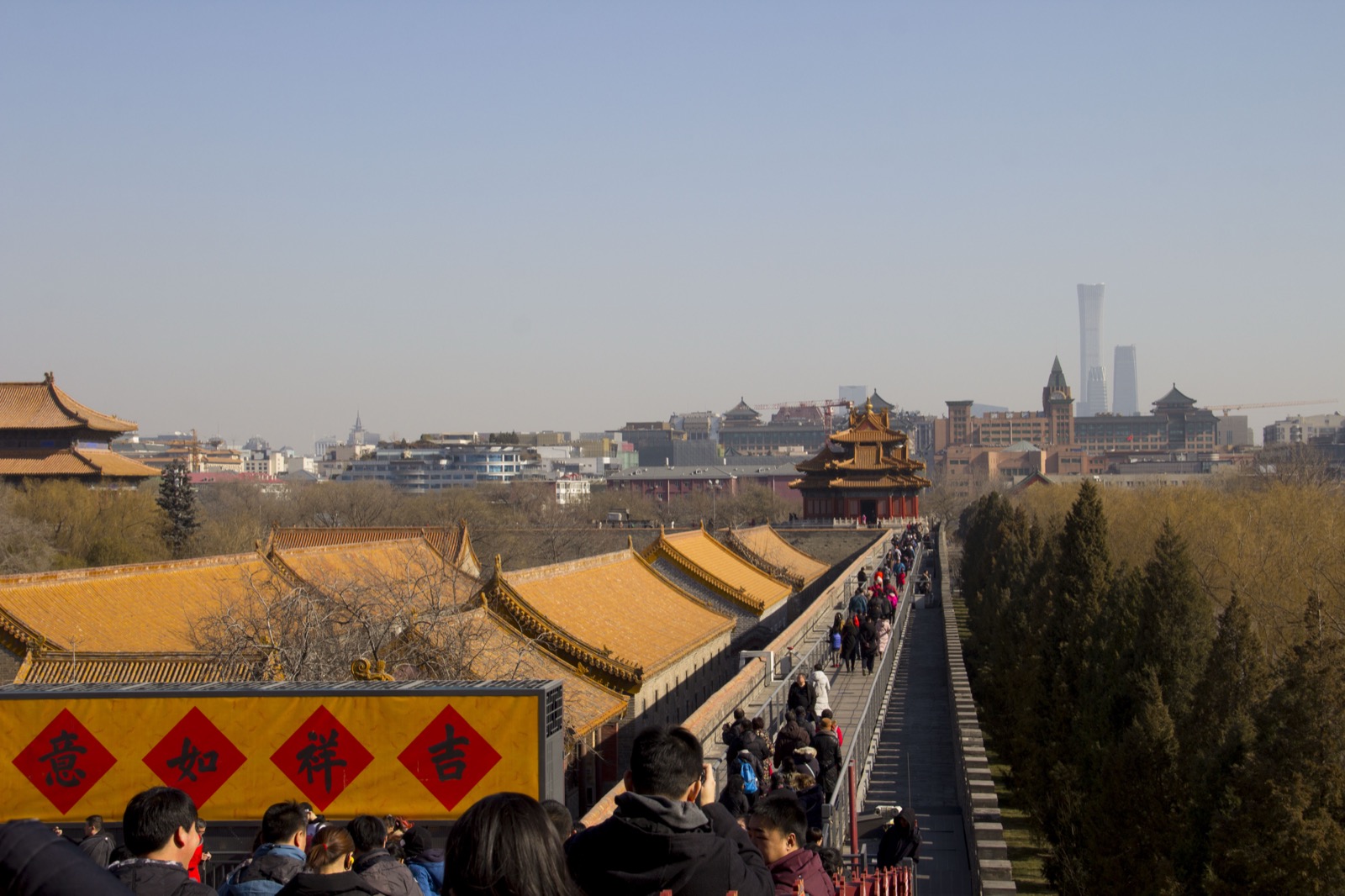
CITIC Tower stands about six kilometres from the Forbidden City and close to Zhongnanhai, the compound that houses China's top leadership4. Over central Beijing lies the prohibited area ZB(P)801, which existed before the crash. It runs from the ground to unlimited altitude, around the clock, and no flight may enter it9.
Even outside such zones, general aviation in China works very differently from what pilots in Europe or North America are used to. Every flight needs prior approval, and general aviation operators must submit a detailed flight plan to air traffic management by 15:00 on the day before the flight10.
The aftermath: light aircraft grounded
The consequences for China's wider general aviation sector came quickly. Reuters reported that private light fixed-wing operations and flight training had been suspended nationwide2. According to the South China Morning Post, flight schools in several regions were told to stop training and undergo safety inspections211. One flight school manager told the paper that every school would have to be reinspected by the CAAC, which could take at least a month2.

On 20 July the North China Regional Administration of the CAAC ordered Dongshi Shuangyue General Aviation and a second company, Dongshi Kunpeng General Aviation, to suspend operations and stop using their aircraft8. The regulator said it could not confirm that the companies' flight crew qualifications and the airworthiness of their aircraft met the requirements, and that major safety hazards existed. The notice also cited the companies' prolonged suspension of flight activities, and did not mention the crash. Reuters said it was not clear whether Dongshi Kunpeng had any link to the crash8.
Since 20 September: a restricted area the size of Italy
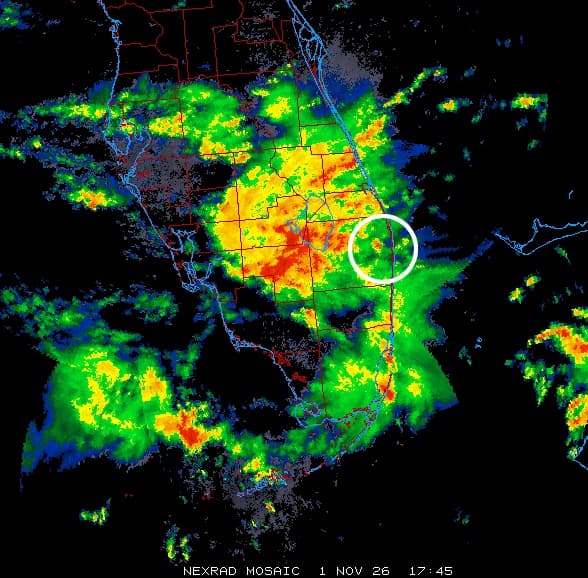
The biggest change came in September. Since 20 September, a permanent Special Restricted Area 600 kilometres wide has surrounded Beijing, from the ground to unlimited altitude, according to an aviation notice reviewed by Reuters3. It covers more than 280,000 square kilometres, including Beijing, Tianjin, much of Hebei and parts of Inner Mongolia, Shanxi, Shandong, Liaoning and the Bohai Sea. By a rough Reuters estimate, around 100 million people and dozens of airports and airfields lie inside it3.
Only airline flights, approved business flights and military, customs, police and fire-rescue flights may operate there3. They must follow their approved flight plan, get approval before any deviation, keep continuous two-way radio contact with air traffic control and carry equipment that lets controllers identify and track them continuously3. OPSGROUP identifies the area as ZB(SR)801, governed by Beijing NOTAM A4484/26. The transponder must stay on throughout the flight, crews must report their security status before entry (aircraft identification, SSR code, position and whether everything is normal), and below 3,000 metres the speed limit is 450 km/h indicated9. The small prohibited area over the city centre remains in place9.
A setback for the low-altitude economy
The measures cut across a policy that was meant to open up flying at low level. In 2024 the "low-altitude economy" appeared in the Chinese government's annual work report for the first time. The term covers manned and unmanned aviation, usually within 1,000 metres above the ground12. At the end of 2024 the National Development and Reform Commission set up a dedicated department for it12. On 1 July 2026, five days after the crash, China's revised Civil Aviation Law came into force, which among other things is meant to support the low-altitude economy13.
What this means for pilots
The authorities have not explained how the aircraft could reach central Beijing, so there is little to say about how it happened. What the case does show is how hard a state can react to one flight that leaves its agreed area: for pilots and flight schools across China, a great deal changed within days.
The underlying rules are familiar to any student pilot. In Europe, for example, SERA forbids flight in a published prohibited or restricted area except under the conditions of that area or with permission of the state concerned14. Over the congested areas of cities, towns or settlements, a VFR flight must stay at least 300 metres (1,000 ft) above the highest obstacle within 600 metres of the aircraft14. More generally, an aircraft over such areas must be high enough to make an emergency landing without undue hazard to people or property on the ground14. Knowing the airspace structure on your route is part of air law in every licence syllabus; read what airspace classes A, C and D mean and what to do after a radio failure.
Thinking about learning to fly? See what a PPL costs and takes, practise for your pilot tests or browse flight schools in China.
Timeline
- 26 Jun 2026Sunward Aurora SA60L B-12PP strikes CITIC Tower at about 17:55 local time.1
- 30 Jun 2026Reports of a nationwide suspension of private light aircraft flights and flight training.2
- 2 Jul 2026Chaoyang district authorities publish their findings and cite personal reasons.6
- 20 Jul 2026CAAC North China orders two operators on the outskirts of Beijing to suspend operations.8
- 20 Sep 2026Special Restricted Area ZB(SR)801 around Beijing takes effect.3
Sources
- 1Reuters (via The Spokesman-Review) · Beijing investigating rare light aircraft crash which killed pilot, injured 1327 Jun 2026
- 2AVweb · China Grounds Light Aircraft30 Jun 2026
- 3Reuters (via Internazionale) · China creates Italy-sized no-fly zone around Beijing after rare crash17 Sep 2026
- 4The Kabul Tribune · Pilot Killed, 13 Injured After Light Aircraft Crashes into Beijing Skyscraper28 Jun 2026
- 5Reuters on YouTube · Small aircraft crashes into Beijing skyscraper, eyewitnesses say27 Jun 2026
- 6Sing Tao Headline · China Zun: Small aircraft hits Beijing CITIC Tower, statement: case endangering public safety caused by personal reasons2 Jul 2026
- 7Reuters (via NBC News) · China identifies pilot who crashed small plane into Beijing's tallest building, cites 'personal reasons' as cause2 Jul 2026
- 8Reuters (via Hiru News) · China suspends aviation firm linked to Beijing light aircraft crash20 Jul 2026
- 9OPSGROUP · Beijing's New 600km Restricted Area8 Oct 2026
- 10ABC News (Australia), Chinese service · Beijing rules aircraft crash into "China Zun" CITIC Tower a public safety case caused by "personal reasons"3 Jul 2026
- 11South China Morning Post on YouTube · Flight training halted in China after Beijing plane crash30 Jun 2026
- 12Xinhua (via China Daily) · China's top economic planner sets up department to boost low-altitude economy30 Dec 2024
- 13Xinhua (via China Daily) · China adopts revised Civil Aviation Law28 Dec 2025
- 14EUR-Lex · Commission Implementing Regulation (EU) No 923/2012 (SERA), consolidated text1 May 2025